Trust is the foundation of every strong relationship in your practice—whether with your team, your patients, or yourself. It takes time to build but can be lost in an instant. The good news? You can strengthen trust through simple, consistent actions. Discover 15 powerful habits that will help you earn respect, build credibility, and create a culture where trust flourishes. Which will you focus on first?
As a new year begins, many dental professionals take stock of their practice’s performance and consider where they want to be by its end. By measuring your baseline, setting goals, and committing to five-minute habits, you can establish meaningful progress that transforms both your practice and your wellbeing.
When dentistry is perceived as a product rather than a valued service, patients often fixate on price over long-term health benefits. By focusing on building trust, articulating value, and framing treatments as an investment in well-being rather than a simple transaction, you can transform patient relationships and foster genuine satisfaction. Emphasising tangible and intangible returns enables you to move beyond cost-driven decisions, reducing complaints and boosting loyalty. Quality care, personalised experience, and a reputation for integrity are the hallmarks of a truly service-focused dental practice
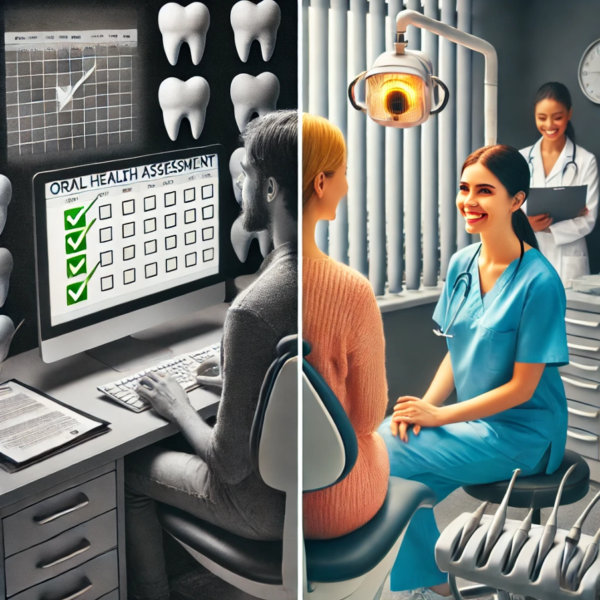
Dentists recommend regular check-ups for their patients to ensure oral health remains optimal. But how often do you assess the health of your dental practice? Discover four quick self-evaluation surveys designed to monitor and enhance your practice’s performance.
Many dentists shy away from selling, preferring to focus on patient care. Yet, by relying too heavily on software for patient communication, they risk becoming salespeople. Let’s explore how a balanced approach could enhance trust and relationships with patients
In the demanding world of dentistry, where precision and care are paramount, decision fatigue can significantly impact mental health and overall effectiveness. Decision fatigue refers to the deteriorating quality of decisions made after a long session of decision-making. It can lead to burnout, increased stress, and reduced efficiency, affecting dentists, practice managers, and their teams. By understanding its implications and adopting strategies like establishing systems, reducing trivial decisions, and using frameworks like Jane’s Five Magic Questions, you can enhance decision-making efficiency and resilience, supporting a healthier, more productive work environment. Read on to discover how to manage missed appointments effectively and combat decision fatigue.
What is the Value of Your Incomplete Treatment Plans? “Why Incomplete Treatment Plans Could Be Costing Your Practice Thousands” I was recently approached because dental practice had identified a concerning issue: a clinician had over £123,000 worth of un-booked treatment. Many of these treatment plans were over £4,000 each, yet the clinician’s diary was remarkably…
TRACK Your Progress to Improvement: A Guide for Dentists Running a successful dental practice is no small feat. It requires not only clinical expertise but also effective management and continuous improvement. To help you achieve and maintain excellence in your practice, Jane Lelean has developed the TRACK model. This model provides a structured…
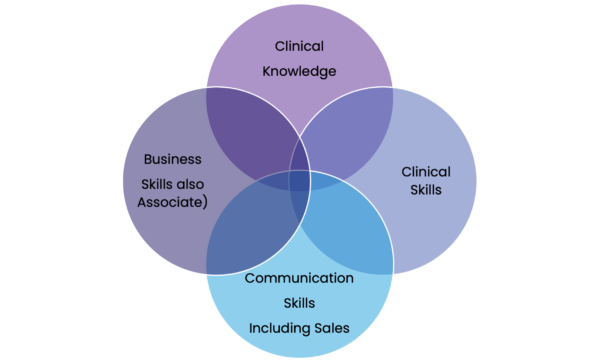
Being a dentist is more than just having a degree and the ability to treat patients. While clinical knowledge and skills are fundamental, they are only part of the equation. To become a successful dentist who is loved by patients and frequently recommended, you must also master the soft skills of communication, including…
Body language is like a silent language that speaks volumes in every interaction. Whether it’s a simple chat or a crucial negotiation, how we carry ourselves can greatly influence how others perceive us and whether they trust us. Learning to use techniques like matching, pacing, and leading can be game-changers when it comes to building…