Time Management for Dentists: When Busy Becomes Burnout

Starting earlier, finishing later and still falling behind? Discover why being busy isn’t the same as being productive, why poorly planned appointment books can make things worse and how rethinking your relationship with time could transform your dentistry and your life.


Career Decisions for Dentists: Are You Asking the Right People?

Should you take that job, specialise or change direction? Career decisions for dentists are influenced by far more than money and opportunity. Discover how internal referencing, locus of control and understanding your values, beliefs and priorities can help you make confident decisions that are right for you, rather than relying on the opinions of strangers.

Before You Treat, CONTRACT: Are You Missing the Conversation That Matters Most?

You’ve discussed the treatment options, agreed the plan and obtained informed consent. But have you established how you and your patient are going to work together?

What if some of those patient red flags aren’t signs of a difficult patient, but warning signs of conversations that haven’t yet happened?

Discover how CONTRACTING, a principle borrowed from coaching and SUPER-vision, could transform patient relationships, reduce misunderstandings and help prevent problems before they begin.

SUPER-vision in Dentistry: Are We Missing a Vital Piece of Professional Support?

Dentists invest years developing their clinical skills, but who supports the person behind the clinician? Discover how SUPER-vision differs from coaching, mentoring, training and therapy, and why reflective professional support could be the missing piece in helping dentists grow, thrive and deliver their best patient care.

SUPER-vision for Dentists: The Missing Piece in Professional Support?

Dentists invest years developing their clinical skills, but who looks after the person behind the clinician? Discover how SUPER-vision and the Seven-Eyed Model provide a supportive space for reflection, professional development and wellbeing, helping dentists become more confident, effective and fulfilled.

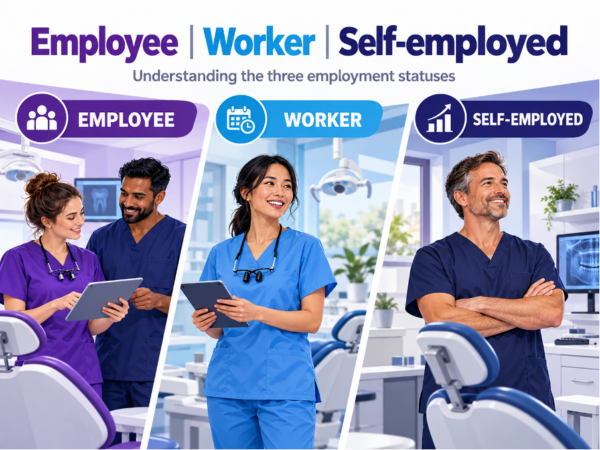
Self-Employed, Worker or Employee? Why Your Dental Contract May Not Tell the Whole Story

A contract may say “self-employed”, but that does not necessarily settle your employment status. For associates, hygienists, therapists, principals and practice managers, understanding the difference between employee, worker and self-employed status is becoming increasingly important. Discover why what happens in practice can matter as much as what is written in the agreement, and the conversations both sides should have before signing.

Don’t Just Count Your CPD: Make Your Development Count

Not sure which dental course you should do next? A simple Balance Wheel can help you reflect on your confidence, competence and future goals, identify what really matters, and turn your CPD into a Personal Development Plan that is genuinely personal

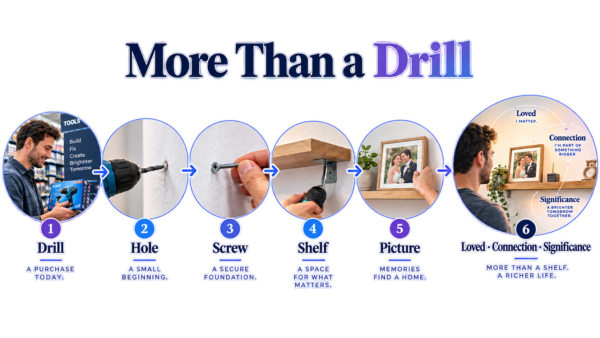
Your Patients Aren’t Buying Dentistry. So What Are They Really Buying?

Your patients may ask for whitening, orthodontics or implants, but the treatment is rarely what they are really buying. Discover the emotional drivers behind treatment decisions, the six human needs that influence motivation, and why understanding what truly matters to your patients creates better conversations, stronger relationships and more confident decisions.

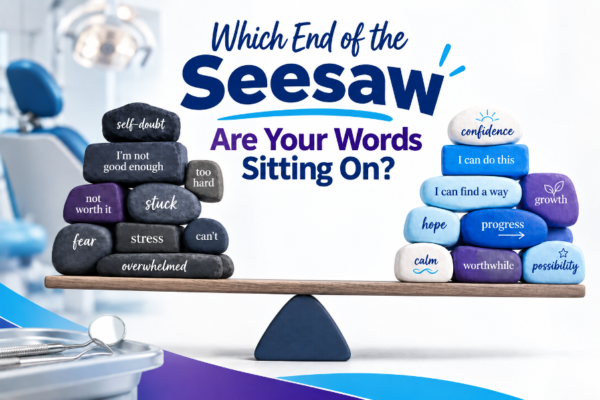
The Words You Use Shape Your Life: Which End of the Seesaw Are You Sitting On?

How often do you really listen to the words you use about yourself, your work and your life? Our habitual language quietly directs our attention, influences how we feel and shapes what we do next. This blog invites you to notice which end of the linguistic seesaw you spend most of your time on, and how small changes in language can create greater choice, confidence and possibility

From Anxious and Exhausted to Calm and Energised: Understanding Your Emotional State in Dentistry

Dentistry can leave us feeling energised and inspired, calm and content, or anxious, frustrated and exhausted. Discover the four emotional zones, understand what may be driving how you feel, and explore personalised thought and action strategies to help you move towards the emotional state you want instea