What is the Value of Your Incomplete Treatment Plans?
“Why Incomplete Treatment Plans Could Be Costing Your Practice Thousands”
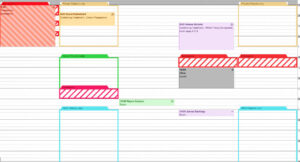
I was recently approached because dental practice had identified a concerning issue: a clinician had over £123,000 worth of un-booked treatment. Many of these treatment plans were over £4,000 each, yet the clinician’s diary was remarkably quiet, lots of white spaces. This scenario is not as uncommon as you might think, and it highlights a critical area for improvement in many practices.
The Foundation of Successful Treatment Plan Conversions
My approach to treatment plan conversions is built on the foundation of building strong relationships with patients, creating partnerships that result in healthy, beautiful, and happy patients. If you’re a dentist who is simply looking for tips and tricks to make a quick sale, chase money, targets, and status, this blog is not for you.
The Importance of Monitoring Incomplete Treatment Plans
Running regular reports to see how many incomplete treatments are sitting in your files is an invaluable habit and a key performance indicator to review monthly. This practice can help you identify the reasons treatment plans are left incomplete.
- Wrong treatment plans designed and offered
- Lack of trust
- Poor appointment book organisation
- Lack of systems to schedule calls
- Lack of follow-up systems
Identifying the Root Causes
When there are high numbers of incomplete treatments, it often indicates that the clinician is suggesting treatment plans that do not align with the patients’ wants, needs, and preferences. Experience shows that when we learn to listen to patients and ask the right questions, they will design treatment plans that they are eager to proceed with. Many patients are unaware of the health and function of their mouths, and our role as clinicians, along with our team members, is to educate them. I have recently been approached by an associate who is new to a practice building a list they approached me because despite the number of new patients presenting for an exam, few were returning for treatment. They have recently been on a clear aligners course and explained how they were offering aligners for every patient. This is a case of wrong treatment plan, being offered and patients voting with their feet. I trained the associate In our BEST CHOICES framework and particularly the SHOP method of understanding the patient’s requirements. This when combined with a thorough examination, educational aids agreed partnership between patient and GDP resulted In a greater up take of treatment, resulting in improvement in the health of their patients. The GDP concerned recognised that the was not a localised deficiency of clear aligners, there had been In their surgery at least, a deficiency in listening to patients, accurate diagnosis and appropriate treatment planning. This has now been corrected, the associate and their patients are much happier, the list Is building.
Building Trust with Patients
Provision of dental care requires a foundation of trust. A high quantity of un-booked treatment often indicates that patients do not fully trust or feel confident with the clinician. Understanding the psychology of decision-making and trust is crucial, yet it is rarely taught in dental school. Patients need to know, like, and trust you before they will agree to irreversible treatment.
How are you building trust and lifetime, generational relationships with your patients?
Good dentistry takes time and relationships. If you see a patient on day one who would benefit from a reconfigured approach, unless you are a referral dentist benefiting reputational trust, it may take 3 years of relationships and trust building before the patient is open to large irreversible treatment plans. Think about relationships, stage your treatments and together play the long game for health.
This is an example how a dentist destroyed trust and has lost a patient.
For instance, I recently saw an emergency patient as the consultation evolved It transpired that the patients GDP had not asked Important questions. the patient attended with a split upper right five that was beyond restoration in an otherwise virgin unrestored mouth. The patient showed signs of bruxism and was in group function. I started asking questions about grinding, face pains, headaches, stress levels and triggers, all the usual stuff you ask. I also enquired what was important to the patient about dental health, how they perceived theirs currently, what they wanted in the future. the patient was surprised she had never been asked such questions an even commented that she had never met a dentist who was so interested in her and her teeth. I showed her in the mirror the wear facets and the group function, she was really pleased to have been shown. doing nothing was not the right treatment plan, just as jumping In with an Implant wont be either. The dentist could have significantly improved the outcome, building trust by educating the patient staging treatment, building relationships and applying simple preventive measures like composite canine risers, using hard adjustable splints, before restoring function. Unfortunately, the patient told me their dentist had been shown the wear facets or had any conversations about grinding and now won’t be going back and will be finding a GDP who understands occlusion.
Organisational and Systematic Solutions
Assuming your patients know, like, and trust you, and you’ve devised a treatment plan that meets their needs, large numbers of un-booked treatments could indicate systematic and organisational failings. Here are three key areas to examine:
- Zoning of the Appointment Book: Ensure there is space allocated to book appointments effectively. We can show you how to organise SMART diaries that will enable you to fill your appointment books without them becoming unmanageable.
- Patient Journey Analysis: Create an unbroken chain from consent to appointment booking. Unfortunately, In many practices the shift towards using automated and computerised appointment booking moving away from a concierge personal service from patient care coordinators and reception team members has been seen to result in fewer booked appointments. Putting the patient at the centre of a human to human patient journey will correct this balance.
- Follow-Up Systems: Develop robust systems to follow up with patients, understanding and overcoming their barriers to booking. This role is ideally suited for a trained patient care coordinator and can /should also be undertaken by clinicians when appointment books are empty.
Conclusion
By addressing these areas,
- Wrong treatment plans designed and offered
- Lack of trust
- Poor appointment book organisation
- Lack of systems to schedule calls
- Lack of follow-up systems
You can unlock the hidden value of incomplete treatment plans, ensuring your practice runs smoothly, your patients receive the care they need, and your diary is as full as it should be. If you need guidance on how to implement these strategies in your practice, don’t hesitate to reach out.
For more information on improving your practice’s approach to treatment plans, book a consultation with Jane today. Together, we can develop a tailored plan to ensure your practice thrives.
Join us for a free Q&A webinar Tuesday 16th July
to find out more or book a Speak with Jane appointment www.Iodb.co.uk