On the surface, everything can look fine.
The diary is full.
Patients are coming in.
The team is busy.
And yet…
Many dental clinicians and team members quietly experience something very different beneath that surface.
Stress.
Anxiety.
Fear.
Overwhelm.
Imposter syndrome.
These words are used often. Almost habitually.
But what if they are not the full story?
What if those labels are too broad… too convenient… and, in some cases, misleading?
Because when everything gets labelled as “stress” or “anxiety”, it becomes very difficult to know what to do next.
This is where the RULER method, offers something practical, structured, and immediately usable.

Why This Matters in Dentistry
Dentistry is emotionally demanding.
You are:
- Managing time pressure
- Navigating patient expectations
- Communicating complex information
- Making clinical decisions
- Leading or contributing within a team
All while maintaining composure.
If emotions are not understood, they don’t disappear.
They leak into:
- Communication
- Decision-making
- Patient relationships
- Team dynamics
And often… into your own wellbeing.
RULER: A Practical Way to Work Through Emotions
R — Recognising
Before anything can change, it must be noticed.
What are you feeling… physically and emotionally?
- Tight chest
- Shallow breathing
- Irritation in your tone
- A sense of urgency or pressure
Notice where the somatic sensations are in your body, the size, shape, texture, colour, movement, temperature, mass. This may seem strange if you have never paid attention to your feelings before. Just notice what you notice, and be with those feelings until you do notice.
So often, this step is skipped.
You move straight into reacting.
U — Understanding
Pause and ask:
- What has triggered this?
- What just happened?
- What am I telling myself about this situation?
- What are my limiting assumptions?
Is it:
- A late-running diary?
- A patient questioning fees?
- A team member not following a system?
Or something deeper:
- Fear of judgement
- Desire to do things perfectly
- Pressure to meet expectations
Understanding creates space between the situation and your response.
L — Labelling (Where Everything Begins to Shift)
This is the step that most people rush.
“I’m stressed.”
“I’m anxious.”
“I feel overwhelmed.”
But these are often umbrella terms.
Instead of using the label you habitually reach for, pause.
Get curious.
Ask yourself:
What am I actually feeling?
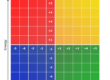
This is where the feelings wheel becomes powerful.
Using a feelings wheel will help.
How to Use the Feelings Wheel
- Start in the centre
Begin with core emotions:
Happy, sad, angry, scared, disgusted, surprised - Move outward
Break that emotion into something more specific - Deepen your understanding
The outer ring helps you become precise

So instead of:
- “I’m stressed”
You might discover:
- Pressured
- Inadequate
- Frustrated
- Uncertain
- Disappointed
- Embarrassed
- Resentful
- Lonely
And this matters.
Because:
- You cannot solve what you have not clearly defined
- Different emotions require different responses
“Frustration” needs something very different to “fear”.
E — Expressing
Once you understand what you are feeling, the next step is expression.
Not suppression.
Not explosion.
But thoughtful, appropriate communication.
This might look like:
- Clarifying expectations with a patient
- Asking for support from a colleague
- Acknowledging a challenge within the team
When emotions are expressed well, they build connection rather than conflict.
R — Regulating (Finding a Way Forward)
Regulation is often misunderstood.
It is not about “calming down” or “pushing through”.
It is about finding a way to respond that supports you and the situation.
Sometimes, regulation is immediate and physical.
In the moment, you might:
- Use 4–6–8 breathing
Inhale for 4
Hold for 6
Exhale for 8
Repeat 3 times - Move your body
Shake it out, like a dog releasing tension
Run on the spot
Do 5 burpees - Change your environment
Step outside
Get fresh air
Reset, then come back
Other times, regulation is more reflective:
- Adjusting your approach
- Reframing your thinking
- Making a decision or taking action
- Writing an observation
A Different Way of Thinking About “Stress”
What if “stress” is not the problem?
What if it is simply a signal…
Pointing towards something that needs attention, clarity, or change?
When you:
- Recognise
- Understand
- Label accurately
- Express appropriately
- Regulate effectively
You move from:
- Reacting → Responding
- Overwhelm → Clarity
- Pressure → Purpose
A Simple Reflection
Take a moment.
Not where you think you should be…
But where you actually are.
Instead of saying:
“I feel stressed”
Pause and ask:
What am I really feeling right now?
Then follow it through.
Because in that moment of clarity…
You give yourself the opportunity to respond differently.
And that is where everything begins to change.