Your Thinking Shapes Your World: Unlock the Power of Thinking Patterns
Your thoughts determine your behaviours. By understanding how you think, you gain the power not only to change your thinking but to reshape your actions, your outcomes, and even your relationships. Thinking Pattern Profiles make the invisible visible, just as a T-scan or transilluminator reveals the hidden details of occlusion or caries.
Over the coming weeks, I’ll be exploring the fascinating world of thinking patterns and how they influence your dental practice, from team dynamics to patient interactions. We’ll uncover the nuances of 12 distinct thinking patterns and how they manifest in your team members:
- Proactive versus Reactive
- Towards versus Away From
- Internal Reference versus External Reference
- Options versus Procedure
- Matching versus Mismatching
- Internal Locus of Control versus External Locus of Control
- General versus Specific
- Maintenance, Development, or Change
- People, Activities, or Information
- Concept, Structure, or Use
- Together, Proximity, or Solo
- Past, Present, or Future
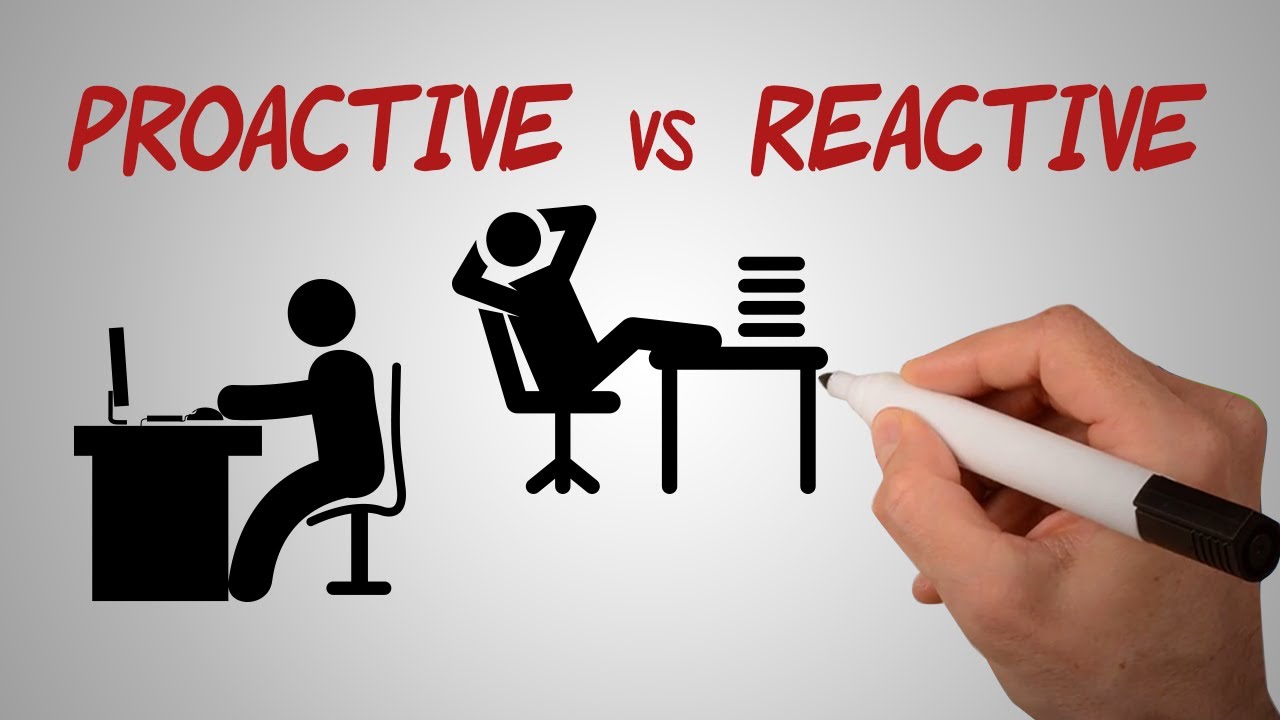
Today, let’s dive into one of these patterns—Proactive versus Reactive Thinking—and discover how understanding these approaches can transform your team.

Proactive vs. Reactive Thinking: A Big-Picture Perspective
Both proactive and reactive thinkers play essential roles in a well-functioning dental practice. However, if these patterns are misunderstood or mismanaged, they can lead to conflict. Let’s explore what these patterns mean, how they show up in your team, and how to use their strengths while avoiding common pitfalls.
Proactive Thinkers: Bold and Action-Oriented
Proactive individuals are the initiators. They thrive on action and results, making them ideal for leadership roles or tasks that require swift decisions, like implementing new sales strategies or tackling challenges head-on. However, their eagerness to “get things done” can sometimes lead to oversights or tension if they act without consulting others.
Reactive Thinkers: Thoughtful and Analytical
Reactive thinkers, in contrast, are contemplative. They value precision and prefer to fully understand a situation before acting. Their careful, thorough approach makes them invaluable in areas such as compliance or complex treatment planning. Yet, their deliberative nature can frustrate proactive peers, as their hesitation may slow decision-making.
How These Patterns Show Up in Your Practice
- Proactive Team Members: A proactive practice manager might roll out a new software system without thoroughly explaining it, assuming the team will adapt quickly. A hygienist with a proactive mindset might dive into a new protocol without seeking input.
- Reactive Team Members: A reactive receptionist might hesitate to adopt the same software, preferring to evaluate its pros and cons. A reactive dentist may delay presenting a treatment plan to ensure every detail has been carefully reviewed.
The Pros and Cons of Each Approach
| Thinking Pattern | Advantages | Disadvantages |
| Proactive | – Quick decision-making – High energy and initiative – Great for leadership and fast-paced roles |
– May overlook details – Can create tension by acting without consultation |
| Reactive | – Thorough analysis – Reduces risks – Ideal for detail-heavy roles like compliance |
– Slow to act – Can frustrate proactive peers – May over-analyse |
Potential Sources of Conflict
- Different Speeds of Action: Proactive thinkers may become frustrated by what they perceive as indecision in their reactive colleagues, while reactive thinkers might feel bulldozed by their proactive peers.
- Approach to Change: Proactives embrace change quickly; reactives need time to adapt.
- Communication Styles: Proactives speak in direct, action-oriented terms, while reactives prefer careful, exploratory conversations. Without understanding, these differences can lead to friction.
How to Harness These Patterns for a Thriving Team
- Balance the Team: Recognise the value of both approaches. Assign proactive thinkers to leadership roles and reactive thinkers to tasks requiring precision.
- Foster Communication: Encourage proactive members to slow down and involve others in decision-making. Support reactive team members by providing clear guidelines and deadlines.
- Set Clear Expectations: Create a culture that values both quick action and thorough analysis. Provide timelines that allow space for deliberation without stalling progress.
- Build Mutual Respect: Highlight the strengths of each approach through team-building exercises and open discussions.
Transform Your Team with Thinking Pattern Analysis
Understanding proactive and reactive thinking patterns—and the other 11 patterns we’ll explore—can unlock the full potential of your team. By recognising these traits, you can align your practice to ensure smoother operations, better decision-making, and exceptional patient care.
Would you like to uncover the hidden dynamics within your team? Join us for the F5 Team Reboot, where every team member receives a personalised Thinking Pattern Analysis. You’ll gain insights that will revolutionise your ability to recruit the right people, manage existing staff, and build a collaborative, harmonious team.
Ready to Learn More?
Book a Speak with Jane call today to start transforming your practice into a better place for both your team and your patients.