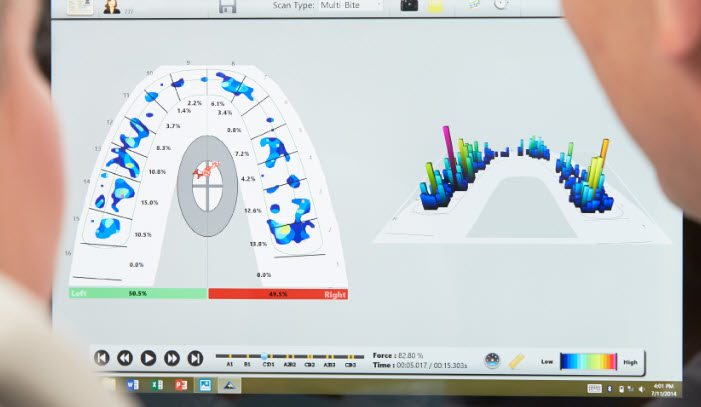
As dentists, we constantly invest in tools and technologies to ensure our practices run smoothly and deliver the best patient care. One such tool, the T-Scan, is invaluable for diagnosing occlusal issues by measuring points of contact, forces on closure, and identifying damaging occlusal interferences. But what if we could apply a similar diagnostic approach to our minds and those of our team members? Enter the MindSonar thinking pattern evaluation tool, the T-Scan for your mind.
The Importance of Self-Awareness
As Socrates wisely said, “To know thyself is the beginning of wisdom.” This rings true for dentists as well. Understanding our own thinking patterns and those of our team members is crucial for personal growth, effective leadership, and successful teamwork. By recognising and capitalising on our cognitive styles, we can enhance our effectiveness in various aspects of our professional lives.
What is MindSonar?
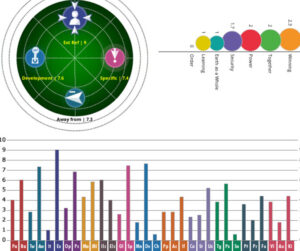
MindSonar is a powerful tool that measures both thinking styles (meta-programs) and motivational drives (Graves Drives). It provides a fine-grained analysis of an individual’s mindset, revealing thousands of possible combinations. Just as the T-Scan visualises occlusal forces, MindSonar visualises thinking patterns.
Thinking Styles: MindSonar assesses 13 thinking style elements, such as how someone processes information, communicates, and approaches challenges.
Motivational Drives: It evaluates 7 motivational drives, uncovering what truly motivates an individual.
Detailed Report: The result is a comprehensive profile that makes the invisible aspects of thinking visible. Dentists can explore their cognitive preferences and understand how they contribute to their success, stress, and conflicts.
The T-Scan and MindSonar: A Parallel
Let’s draw a parallel between the T-Scan and MindSonar to illustrate how this tool can transform your practice:
Diagnosis and Precision: Just as the T-Scan identifies points of contact and occlusal forces, MindSonar pinpoints thinking patterns that impact team dynamics and personal performance.
Identifying Interferences: The T-Scan reveals damaging occlusal interferences; similarly, MindSonar identifies cognitive interferences that cause stress and conflict.
Visual Analysis: Both tools provide visual reports. T-Scan offers detailed occlusal maps, while MindSonar delivers a visual map of thinking styles and their effects on professional and personal outcomes.
How MindSonar Benefits Your Practice
Enhanced Team Communication:
Understanding the thinking patterns of your team members can improve communication and reduce misunderstandings. Knowing how each person processes information and makes decisions enables more effective collaboration.
Conflict Resolution:
Identifying cognitive interferences that lead to conflict allows for targeted interventions. Just as you adjust occlusal forces to prevent damage, you can address conflicting thinking patterns to foster a harmonious work environment.
Stress Management:
Recognising the sources of stress related to specific thinking patterns can lead to better stress management strategies. Tailoring your approach based on these insights helps in creating a supportive and productive workplace.
Personal and Professional Growth:
Self-awareness is the first step to personal and professional development. By understanding your own thinking patterns, you can identify areas for growth and implement strategies to enhance your personal performance as a clinician , practice owner, dentopreneur growing satisfaction in your roles.
Implementing MindSonar in Your Practice
Integrating MindSonar into your practice is straightforward. Begin with an evaluation session for yourself and key team members. The MindSonar report will provide a detailed analysis of thinking patterns, highlighting areas of strength and opportunities for improvement.
Next, working with your coach, use these insights to develop targeted interventions. This could include tailored training sessions, team-building activities, and individual coaching. Over time, you’ll notice a significant improvement in team dynamics, communication, and overall practice performance.
Conclusion
In dentistry, precision is paramount, whether diagnosing occlusal issues or understanding the cognitive dynamics of your team. The MindSonar thinking pattern evaluation tool offers a T-Scan-like precision for the mind, providing invaluable insights that can transform your practice. By understanding and addressing the thinking patterns that drive success, stress, and conflict, you can create a more harmonious, efficient, and successful dental practice.
For more information on how MindSonar can benefit your practice, schedule a “Speak with Jane” call today. Embrace the power of understanding your mind and those of your team—because a healthy practice starts with healthy minds.