
In dental forums and social media groups, I often see a recurring theme—associates who feel undervalued, unfairly treated, or even ripped off. On the other hand, principals frequently describe feeling overwhelmed, taken advantage of, and disillusioned. These frustrations are not isolated incidents. They stem from a deeper issue: a lack of shared understanding.
At the heart of many of these challenges is a failure to see beyond one’s own perspective. Associates and principals are often viewing the same situation through entirely different filters, shaped by their roles, experiences, and unmet expectations. And without a shared framework or language, the gap between them only widens.

A Silver Bullet That Doesn’t Exist
Many practices look for a quick fix: better staff, faster systems, fewer complaints, more time, or more money. But the reality is, no single intervention will solve systemic issues. High turnover, equipment failures, compliance worries, and strained finances aren’t separate problems—they’re interconnected symptoms of an unhealthy practice ecosystem.
That’s why I always advocate a holistic, multifactorial approach to practice development. To help practice owners begin this process, I’ve created a Balance Wheel for Practice Owners—a simple yet powerful tool to evaluate how your practice is performing across 12 essential areas.
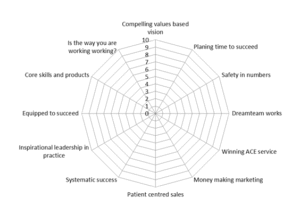
This exercise is about the balance in your practice. For each segment, ask yourself, “How satisfied am I in this area of my practice right now?” The centre of each segment represents 0 and the outer edge 10 give each segment a number from zero to ten and indicating that by creating a new outer.
Examples the range of evaluations you may choose to use.
0 Failure Ignorant
1 Unacceptable Beginner
2 Incompetent Novice
4 Ineffective Apprentice
5 Inadequate Probationer
6 Satisfactory Experienced
7 Competent Practiced
8 Commendable Proficient
9 High quality Specialist
10 Excellent Master
or use your gut instinct
Notice two distinctions in the questions.
“How satisfied am I…” This is a subjective assessment. It is not about how your family colleagues or friends see you; it is not about success; it is about personal satisfaction.
Also notice “right now”. This wheel is a snapshot. Scores will change weekly, daily – even hourly as circumstances change. Do not look for ultimate truth; just check in with how you feel in this moment.
If you’d like to explore this further, I also offer a more in-depth diagnostic: the Brilliant Practice Evaluation, a 120-point assessment that shines a light on the health and well-being of your entire practice.
Success Starts Between Your Ears
Having coached dentists for over 20 years, I can confidently say that the success—or failure—of a practice is determined by one key factor: the mindset of the principal. Your thinking patterns, beliefs, values, and ability to lead shape every outcome in your business.
Most dentists become practice owners with the best of intentions—to raise standards, gain autonomy, and create a better life for themselves, their teams, and their patients. But dental school trained us to be clinicians, not business owners. And once in ownership, it’s easy to get caught up in the day-to-day demands of patient care and forget that you now wear three hats: owner, manager, and clinician.
It’s the clinical role most practice owners enjoy—and where they invest their time. But when the business owner and manager roles are neglected, the practice suffers. Delegating management to a practice manager can help, but only if that person is adequately trained and understands your short and long-term goals. Without clear leadership, ownership can quickly become a burden rather than a joy.
Reclaiming Control
The first step to turning things around is to schedule time for your leadership roles. I recommend that practice owners allocate one to two days a week specifically for business and managerial duties. To do this effectively—without taking a hit to your personal income—you must have a clear understanding of your financials and a sustainable fee structure.
This is not just about protecting income. It’s about remunerating yourself properly for the multiple roles you fulfil. As both the owner and the manager, you are carrying responsibilities that go far beyond those of a clinician. Once you understand the numbers and the true cost of running the business, you can design a remuneration model that reflects your full contribution—not just the clinical side. At the very least, you should be able to pay yourself as generously as you do your associates, on the same remuneration package for your clinical work and be paid for your additional non-clinical roles.
When your time, income, and focus are aligned with your leadership responsibilities, everything starts to change. You regain the mental and emotional bandwidth to work on the business, not just in it. And with this clarity, you’re able to communicate confidently with your associates, sharing the rationale behind decisions and creating a culture of transparency, fairness, and mutual respect.
Final Thoughts
For the past two decades, I’ve been helping dentists transform from exhausted owners of underperforming practices into calm, confident leaders of businesses they are proud of. Whether you’re currently feeling overwhelmed, undervalued, or unsure where to begin—there’s a better way forward. And it begins not with more clinical CPD, but with developing your mindset, leadership, and systems.
Let’s build the practice you always dreamed of—one clear step at a time.
If you would like to know more email me Jane@IODB.co.uk