Why It’s Time Stop using a Treatment Coordinator

Patients Want to Feel Cared For, Not Sold To

When patients know you, like you, and trust you, they choose you — not because you’ve sold them something, but because they believe you have their best interests at heart.

A Patient Care Coordinator’s role is about service, not sales. They act as a trusted guide, creating an environment of trust, respect, and honesty — the foundation for long-term relationships and the highest standard of care.

Changing the language from Treatment Coordinator to Patient Care Coordinator doesn’t just update a job title. It transforms the patient experience, strengthens relationships, and elevates the reputation of your practice.

“Because You Can, Doesn’t Mean You Should”: The Unintended Consequences of Digital Efficiency in Dental Practices

In the race to improve efficiency through digital tools and task trackers, many dental practices are unknowingly harming team culture, morale, and long-term sustainability. Here’s how to strike the right balance between technology and humanity.

Trust: The Invisible Currency of a Thriving Practice

Trust is the foundation of every strong relationship in your practice—whether with your team, your patients, or yourself. It takes time to build but can be lost in an instant. The good news? You can strengthen trust through simple, consistent actions. Discover 15 powerful habits that will help you earn respect, build credibility, and create a culture where trust flourishes. Which will you focus on first?

The Power of Language in Dentistry- Your words determine your results

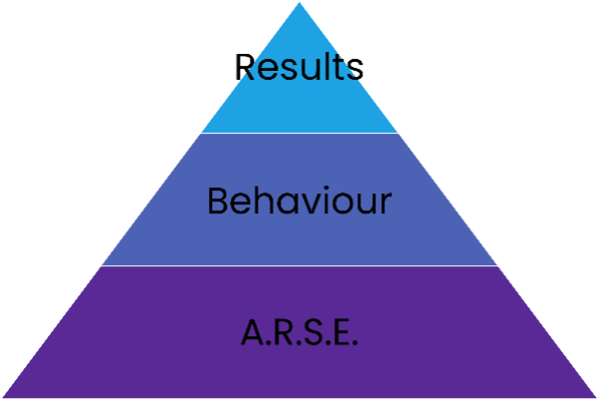
Language shapes our thoughts and directs our focus, ultimately determining the results we achieve. As a dentist, are you focusing on what you do want or reinforcing what you don’t want? Discover how shifting your language can transform your mindset, improve team communication, and help you achieve the outcomes you truly desire.

Recruitment in Dentistry: A Thoughtful Approach to Finding the Perfect Match

Recruitment in dentistry often mirrors the fast pace of modern dating. But finding the right associate or practice should be less like a fleeting Tinder match and more like finding a lifelong partner. Here’s why your recruitment process deserves a thoughtful, strategic approach.

Unlocking Hidden Potential: How Thinking Patterns Transform Your Dental Team

Your thoughts shape your actions, and in a dental practice, understanding thinking patterns can unlock your team’s full potential. Learn how proactive and reactive thinkers contribute uniquely, why conflicts arise, and how to leverage these traits for a harmonious and high-performing team. Discover how Thinking Pattern Analysis reveals the unseen, bringing clarity and opportunity for growth.

Stress in Dentistry: Are You Freaked Out or Cool as a Cucumber?

Stress in dentistry is inevitable, but your response determines whether it helps you thrive or leads to burnout. By understanding your stress patterns—whether Feelings, Choice, or Thinking—you can create a healthier, more balanced workplace. Explore how to turn stress into a tool for success.

Discover the Blueprint for a Seamless Transition to Practice Ownership

Considering the leap from associate to principal dentist? Discover why transitioning requires a new mindset and skill set. The Blueprint for a Better Practice equips you with the tools to make this shift smoothly and confidently.

Beyond Commodities: Why Dentistry Should Be About Relationships, Not Just Sales

n today’s dental landscape, the focus often shifts to selling treatments as commodities rather than fostering long-term relationships that prioritise patient health and trust. This blog explores why cosmetic labels are a distraction, how understanding patient psychology can transform treatment acceptance, and the importance of treating dentistry as a service rather than a product.”

The Most Valuable Tool in Your Surgery: You – Invest in Your Health and Well-Being

Dentists often invest thousands in equipment, yet the most valuable asset in any surgery is the dentist themselves. While your chair or compressor may receive regular maintenance, how much time and attention are you investing in keeping your own mind and body in peak condition? Find out how small ergonomic changes can make a big impact on your career longevity and quality of care.”