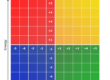
Graves Drives, also known as the Graves Values or Spiral Dynamics, is a psychological and developmental theory that describes the evolution of human perspectives and values. It was developed by Clare W. Graves and later popularised by Don Beck and Chris Cowan.
In this theory, Graves identified a hierarchy of eight value systems or “memes” that represent different stages of human development. These value systems are not fixed but rather reflect the way individuals and societies perceive the world around them. Each value system is characterised by certain beliefs, behaviours, and worldviews. Here’s a brief overview of the Graves Drives and how they indicate a person’s perspective:
Survivalistic (Beige):
This is the most basic level, focused on basic survival needs such as food, shelter, and safety.
Safety (Purple):
At this stage, people form small groups and communities with strong kinship and spiritual ties. It’s often characterized by superstition and a sense of belonging.
Power (Red):
This stage is marked by power and dominance. Individuals at this level are often impulsive and seek to control others for personal gain.
Order (Blue):
Here, individuals adopt rules, order, and structure. They seek security through conformity to a set of moral and ethical principles.
Winning (Orange):
This stage values innovation, individualism, and achievement. It’s characterized by a focus on personal success, material wealth, and progress.
Together (Green):
Individuals at this level emphasise community, equality, and environmental consciousness. They seek harmony and social justice.
Learning (Yellow):
This stage represents a more holistic and systems-thinking perspective. Individuals here are flexible, open-minded, and capable of solving complex problems.
Spirituality (Turquoise):
The highest stage involves a deep connection to the cosmos and a global perspective. It’s marked by a focus on spirituality, global unity, and planetary well-being.
These drives or stages indicate a person’s perspective because they represent their values, beliefs, and priorities at a given point in their life or the development of a society. It’s important to note that individuals can shift between these stages depending on their life circumstances and experiences. Understanding Graves Drives can be valuable for personal development, leadership, and addressing societal issues, as it helps us appreciate the diversity of perspectives and values in the world.
The interpretation and significance of the word “trust” can vary significantly for individuals at different Graves Drives stages. Here’s how the concept of trust might be understood and applied at each stage:
Survivalistic (Beige):
Trust at this stage is primarily about basic survival. Individuals trust others to provide for their most fundamental needs, such as food, water, and shelter.
Trust may involve reliance on immediate family members or small groups for protection and sustenance.
Safety (Purple):
Trust revolves around loyalty to one’s tribe or community. Individuals trust those within their group, and distrust outsiders.
Trust is based on shared traditions, customs, and a belief in the protection and support of the group’s ancestors or spirits.
Power (Red):
Trust at this stage can be opportunistic and conditional. People trust others if they see personal benefit in doing so.
It may involve alliances for power or dominance, but trust can be fragile and easily broken.
Order (Blue):
Trust is often tied to adherence to a set of rules and moral principles. Individuals trust those who conform to the same ethical standards.
Trust is built on predictability and conformity to established authority figures and institutions.
Winning (Orange):
Trust is often related to competence and self-interest. People trust those who are capable, reliable, and who share similar goals.
Trust can be built on contracts and agreements that protect individual interests.
Together (Green):
Trust is centred around empathy, inclusivity, and shared values. Individuals trust those who demonstrate a commitment to social justice and equality.
Trust may involve cooperative efforts to create a more harmonious and equitable society.
Learning (Yellow):
Trust at this stage extends to a broader understanding of human nature and complexity. People trust those who can adapt and navigate complex, dynamic situations.
Trust involves a belief in the capacity of individuals to find innovative solutions and work collaboratively.
Spiritualistic (Turquoise):
Trust becomes more universal and transcendent. Individuals at this stage trust in the interconnectedness of all life and the greater cosmic order.
Trust may involve a deep faith in the universe or a higher power, as well as a commitment to global unity and well-being.
If you would like to have the Graves Drives for you as a leader or the whole of your team analysed, e mail me Jane @IODB.co.uk, as a qualified MindSonar consultant, we have the tools to analyse your Graves drives and deeper thinking patterns. This is useful when building a team, recruiting and resolving conflict.