Dentist Anxiety, Overwhelm & Burnout: Finding the Real Cause
Anxiety, overwhelm and burnout can hide the real problem. Discover how identifying what is actually causing your feelings can help you find the right solution.

Anxiety, overwhelm and burnout can hide the real problem. Discover how identifying what is actually causing your feelings can help you find the right solution.

When fear, anxiety, burnout or overwhelm become difficult to manage, it can feel impossible to know what needs to change. By becoming more precise about how you feel, you can begin to understand what your emotions are telling you, recognise patterns from the past and create more supportive choices for the future.

Choosing a coach is an important professional decision, especially when you are carrying the responsibilities of clinical care, team leadership, business development and patient relationships. This blog explores the essential questions every dentist and practice owner should ask before appointing a coach, from qualifications, accreditation and supervision to indemnity, experience, ethics and professional fit. The right coach will not tell you what to think. They will help you think more clearly, lead more confidently and make wiser decisions for yourself, your team and your practice.
Many dentists secretly feel like frauds despite years of training, experience, and clinical success. This blog explores why imposter syndrome is so common in dentistry, how old protective patterns often begin long before dental school, and why pushing harder or “thinking positively” rarely solves the problem. Discover the hidden cost of imposter moments and the transformative power of the S.H.I.F.T framework for moving from self-doubt to calm confident clinical practice.

Exceptional Patient Care Coordinators are transforming the future of dentistry by helping practices move beyond transactional patient journeys towards deeper, trust-based relationships. This blog explores why the PCC role is no longer simply about treatment plan discussions or diary management, but about creating emotional safety, strengthening communication, reducing patient fear, and helping patients feel genuinely cared for throughout their journey. Discover how relationship-centred PCC systems can improve patient loyalty, ethical treatment acceptance, team culture, and long-term sustainable profitability within modern dental practice.
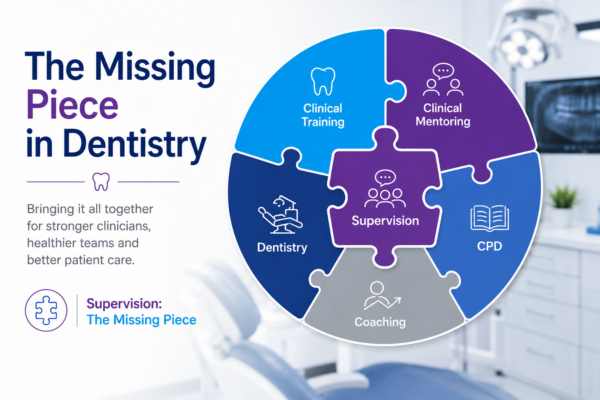
Dentistry has mentors, trainers, and CPD courses, but is it missing something essential? This article explores why reflective supervision, long established in therapy and psychology, may be one of the most important missing pieces in improving patient relationships, clinician wellbeing, and the long-term quality of dentistry.

Should dental nurses be paid for CPD? This blog explores responsibility, leadership, and how to move beyond tick-box learning to create meaningful engagement and lasting behaviour change in your dental team.

Has dentistry become a commodity? Explore the critical difference between price-driven dentistry and high-trust, relationship-led care—and where your practice truly sits.

Many dental professionals label everything as stress or anxiety, but what if that is only part of the story? Discover how the RULER method helps you understand, label, and regulate emotions more effectively in practice.

Why do so many dentists run late, despite full appointment books? The answer lies in how we think about time. This blog explores the five essential stages of every dental appointment and shows how planning for the whole interaction, not just the treatment, can help you run on time, reduce stress, and create a calmer, more controlled working day.